
How Do We Personalize Dance Instruction Through Individual Movement Patterns?
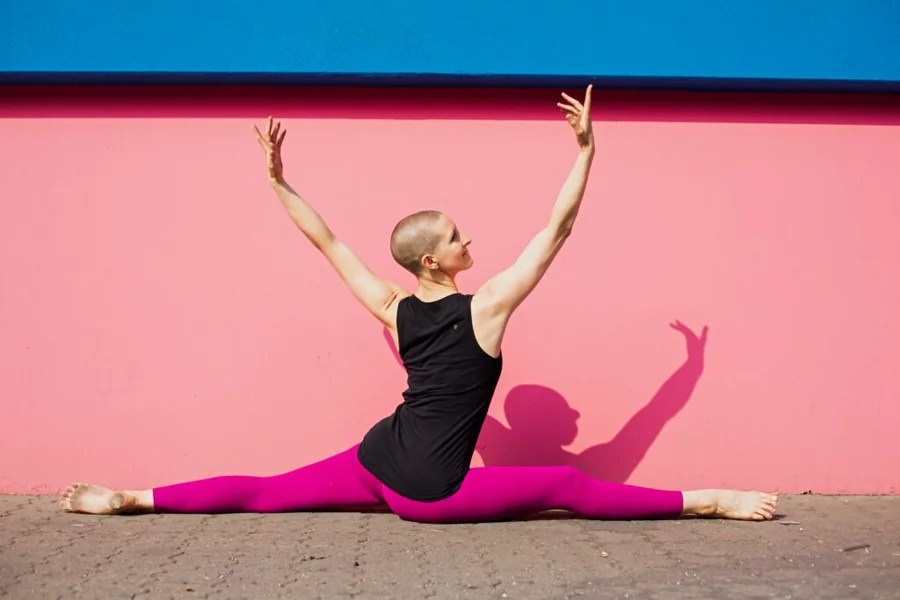
Dance instruction becomes more effective when it starts with how a person naturally moves rather than forcing everyone into the same template. Each dancer brings unique habits shaped by posture, daily activity, mobility, strength, coordination, and even personality. Some people move with fluidity but lack sharp timing, while others hit rhythms precisely yet hold tension through the shoulders or hips. Personalization means noticing these patterns early and using them as information, not flaws. When instruction matches the dancer’s natural mechanics, progress feels smoother, injury risk drops, and confidence rises because the dancer understands what is happening inside their body. This approach also reduces frustration, especially for beginners who may feel they are behind when they are simply learning through a different pathway. Personalized teaching is not about lowering standards. It is about choosing cues, drills, and pacing that help each dancer reach the same goals using methods that fit their movement reality. Over time, the dancer gains control, clarity, and a reliable process for improving.
Coaching tools that match the mover
- Start with observation and pattern mapping.
Personalization begins before corrections. An instructor can learn a lot by watching a dancer walk, shift weight, and perform a simple phrase with minimal instruction. Look for how weight transfers through the feet, whether the knees track inward or outward, how the pelvis responds to turns, and where the upper body stabilizes. Notice if the dancer initiates movement from the ribs, hips, or shoulders, and whether the head leads or follows. These small details reveal how the dancer organizes balance and power. Timing is also a movement pattern. Some dancers anticipate beats; others react slightly late. That difference affects how combinations should be taught. Instead of giving ten corrections, choose one pattern that will unlock multiple improvements, such as foot pressure, breath coordination, or rib placement. Keep notes in simple language, like tends to grip toes, favors right hip, loses torso connection in turns. This creates a map you can revisit for each lesson. A clear map helps you avoid random coaching and keeps progress measurable by tracking a few core patterns rather than chasing every detail.
- Use targeted cues, not generic instructions.
Many dancers struggle not because they cannot do the movement, but because the cue does not match how they process information. Personalization means selecting cues that fit the learner. Visual learners may need shape-based language, such as “draw a diagonal line from shoulder to hip,” while kinesthetic learners respond better to sensation-based cues, such as “feel the floor push you upward.” Some dancers improve with external focus cues, such as aiming their energy past the wall, while others need internal focus cues, such as softening the jaw and widening the back. In group settings like Wexford Dance Studio, individualized cueing can still happen by offering layered options so each dancer picks what clicks. For example, teach a turn with three cues in sequence: first, a visual spot; then, a foot-pressure cue; then, a breath cue, letting each dancer latch onto the one that provides stability. Avoid overcorrecting posture if it creates stiffness. Instead, frame it as an organizing effort, allowing freedom in arms while the torso stays connected. Good cues are short, specific, and repeatable. When a cue works, keep it consistent across lessons so the dancer builds a stable internal language.
- Adapt drills to the pattern you see
Drills should be chosen to address the root pattern, not the surface mistake. If a dancer loses balance in turns, the issue might be foot pressure or timing of weight transfer rather than weakness. A useful drill could be slow quarter turns with pauses, focusing on pressure through the ball of the foot and a steady exhale. If a dancer looks tense in choreography, the drill might be a simplified version of the phrase performed at half speed with relaxed breathing and softer eyes. For dancers who move too small, use travel drills that encourage larger pathways, such as stepping patterns that cross the room, paired with reach-and-rebound exercises to build confidence. For dancers who overextend and lose control, use containment drills that keep movement within a defined box to train precision. If rhythm is the challenge, use call-and-response clapping with simple steps before adding arms, so timing stabilizes first. Personalization also includes rest and repetition. Some dancers need more repetitions to build nervous system confidence, while others need fewer repetitions and more variation to stay engaged. Drills should feel like solving a puzzle, not punishment.
Personalized teaching builds confident dancers.
Dance instruction becomes more effective when it matches individual movement patterns rather than treating every dancer the same. Observation creates a clear map of habits around balance, timing, initiation, and tension. Targeted cues speak the dancer’s learning language, making corrections easier to apply. Pattern-based drills address root issues and create lasting change, whether the goal is control, fluidity, rhythm, or expression. Feedback loops help dancers recognize progress and develop self-correction skills, turning practice into purposeful work. With a steady progression plan, the dancer gains technique and artistry without constant frustration. The result is a learning experience that feels supportive, efficient, and motivating, because each dancer understands how their body moves and how to guide it toward stronger performance.