
Why Content Protection Is Essential for Secure Video Streaming
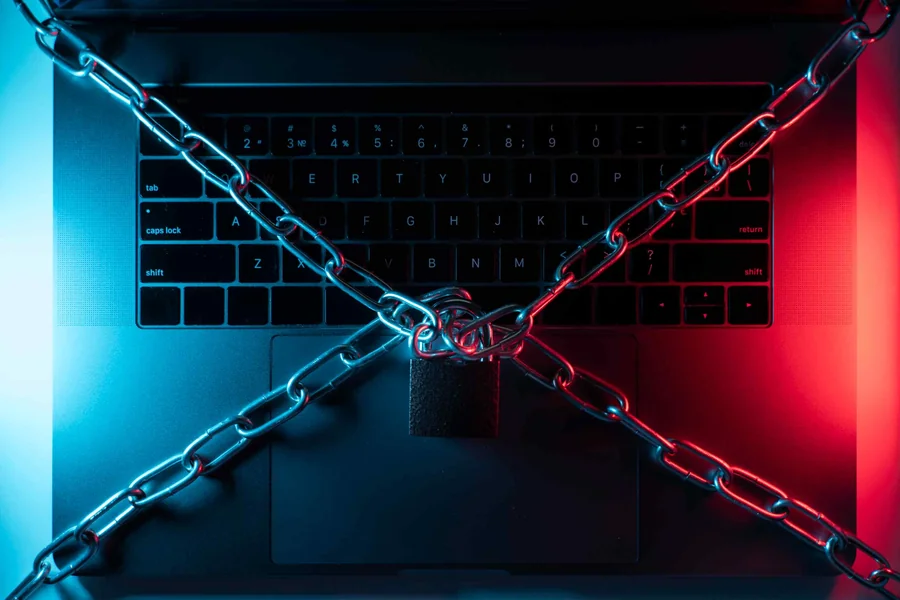
Streaming has transformed the way people watch films, sports, educational programmes, live events and other digital experiences. With viewers expecting instant access across smartphones, smart TVs, tablets and computers, video platforms have become an essential part of the digital ecosystem. Yet this convenience also creates opportunities for piracy, unauthorised recording, credential misuse and illegal redistribution. For businesses investing heavily in premium video, these threats can quickly become costly. Strong content protection therefore plays a central role in helping streaming providers safeguard valuable assets while maintaining a smooth viewing experience for legitimate audiences.
The Growing Need for Secure Video Streaming
Video content can represent significant intellectual property and commercial value. A new film, live sporting event, premium series or exclusive educational programme may involve substantial investment in production, licensing and distribution. Once that content reaches a streaming platform, it can become a target for individuals or groups attempting to access, copy or redistribute it without permission.
Traditional security measures alone may not be enough because modern streaming involves several interconnected stages. Content moves through storage, transcoding, packaging, delivery and playback, creating multiple points that need protection. A weakness at any stage can potentially expose valuable material. For streaming businesses, security must therefore extend beyond protecting a server or account. It should address the content itself, the devices accessing it and the conditions under which playback is permitted.
How Content Can Be Exposed
Piracy does not always occur through a single obvious attack. Different techniques can be used depending on the platform, content and level of protection in place. Unauthorised users may attempt to capture video during playback, extract media files, misuse legitimate credentials or share access with others. Content can also be redistributed through unauthorised websites, social media channels or other digital platforms.
Live streaming presents an additional challenge. Events such as sports matches, concerts and conferences have immediate value because audiences want to watch them as they happen. If a stream is illegally captured and redistributed during the event, the commercial impact can be immediate. This makes a layered security approach important. Instead of relying on one defensive measure, streaming providers can combine encryption, digital rights management, watermarking, access controls and monitoring to create stronger protection.
The Role of Digital Rights Management
Digital Rights Management (DRM) is one of the key technologies used to control access to protected video. It helps ensure that encrypted content can only be played under authorised conditions. A DRM system can work with licensing mechanisms that determine whether a viewer or device has permission to access specific content. This creates an important barrier between obtaining video data and actually being able to play it.
Modern streaming services may need to support different platforms and devices, making compatibility equally important. Widely used technologies such as Google Widevine, Apple FairPlay and Microsoft PlayReady can help providers deliver protected content across different environments. The objective is not simply to make streaming difficult. Effective DRM should provide security while allowing authorised viewers to access content conveniently.
Why Encryption Matters
Encryption helps protect video while it moves through digital infrastructure. Instead of transmitting media in an easily usable form, encryption transforms the content so that unauthorised parties cannot readily interpret it. For streaming platforms, encrypted asset delivery can reduce the risk associated with content interception. However, encryption works most effectively as part of a broader security architecture. Keys, licences, applications, playback environments and user permissions also need appropriate safeguards. A secure streaming strategy therefore considers the entire journey of content, from preparation and packaging to authorised playback.
Supporting Business and Revenue Protection
Piracy can affect more than the number of unauthorised views. It can undermine subscriptions, advertising revenue, licensing agreements, exclusive distribution arrangements and relationships with content owners. For example, if premium content becomes freely available through unauthorised channels, some potential customers may have less incentive to purchase legitimate access. For businesses whose revenue depends on exclusive or paid content, this can directly affect commercial performance. Investing in appropriate security measures can therefore be viewed as a business requirement rather than simply an IT expense. Protecting valuable content helps preserve the commercial model that supports its creation and distribution.
Building a Layered Security Strategy
A reliable streaming security framework should account for different threats rather than depending on one technology. Depending on the platform’s requirements, this may include:
Encryption for protecting digital assets during delivery.
Multi-DRM for controlling authorised playback.
Secure packaging and transcoding for preparing protected media.
Watermarking for tracing potential leaks.
Playback controls for managing access and account sharing.
Anti-piracy monitoring for identifying unauthorised distribution.
Blacklisting and enforcement mechanisms for responding to suspicious activity.
Together, these measures can create multiple defensive layers. If one security control is bypassed, additional controls may still limit the impact.
Why Scalability Is Important
Streaming platforms can grow rapidly, adding viewers, devices, regions and content libraries over time. Security infrastructure needs to grow alongside these requirements. A solution that works for a small catalogue may become difficult to manage when a platform handles large volumes of video and simultaneous viewers. Scalable cloud infrastructure, automated workflows and integration-friendly technologies can help businesses maintain security as their operations expand. This is particularly relevant for OTT providers, broadcasters, media companies and live-streaming services that need to support changing audience demands without compromising protection.
Conclusion
Secure video streaming requires more than simply placing content behind a login screen. Businesses need a coordinated approach that protects media throughout its lifecycle, controls who can access it and helps identify misuse when it occurs. By combining encryption, DRM, watermarking, access controls and anti-piracy measures, streaming providers can create a stronger foundation for protecting valuable digital experiences.
This approach reflects the wider philosophy behind Doverunner, whose solutions bring together mobile application and content security to help modern digital businesses operate with greater confidence. Their focus extends across technologies such as Multi-DRM, forensic watermarking, secure packaging, encrypted delivery and anti-piracy capabilities, supporting organisations that need protection without sacrificing progress or usability. Ultimately, effective content protection is not only about stopping threats; it is about enabling streaming businesses to deliver premium experiences securely, preserve the value of their content and move forward with confidence.