
The Timeless Allure of Gold: A History and Craftsmanship
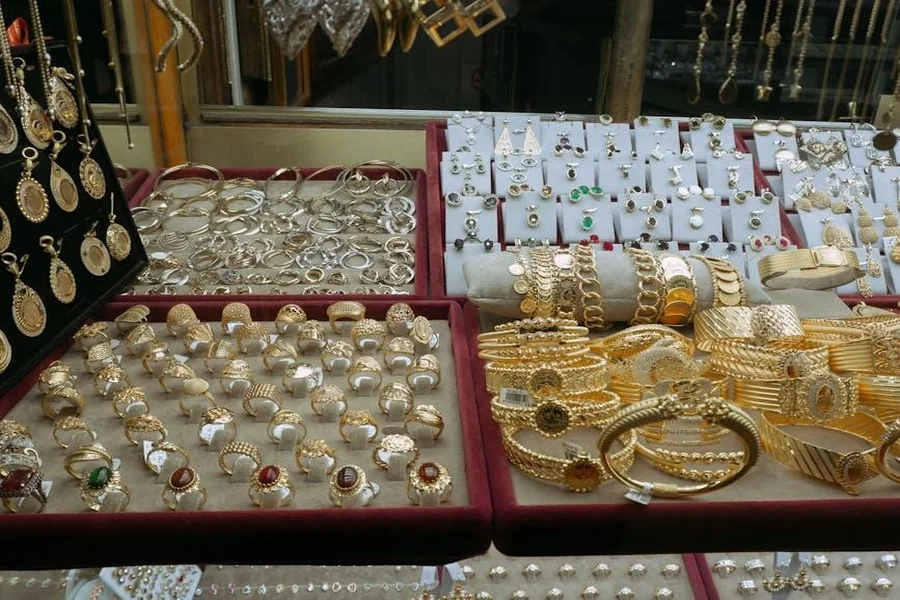
Since the dawn of civilisations, gold jewellery has been synonymous with wealth, status, and divinity. Its brilliance and malleability have made it a favoured material for artisans and an enduring symbol of prestige. This article explores the material’s historical significance, craftsmanship, and its current relevance in fashion.
A Glance at Gold’s Historical Significance
Gold has held humanity’s fascination for millennia, deeply interwoven with culture and religion. The earliest evidence of gold artefacts dates back to ancient Mesopotamia and Egypt, where it was initially used for decorative purposes in temples and tombs. The Egyptians believed it represented immortality; hence, it adorned the tombs of pharaohs and was crafted into splendid ornaments.
Similarly, the Greeks and Romans prized gold jewellery, often associating it with their pantheons of gods. In Rome, gold denoted social ranking, and laws were even established dictating who could wear certain amounts of it. This exclusivity added to its allure, a trend that has undeniably persisted through the ages.
Craftsmanship Techniques Through the Ages
The methods used to craft gold into intricate jewellery pieces have evolved considerably over the centuries. Traditional techniques such as hammering, casting, and engraving were the bedrock upon which ancient goldsmiths built their masterpieces. These methods required immense skill and patience, with craftsmen dedicating years to perfecting their art.
Fast forward to the modern age, and advanced technologies have revolutionised jewellery making. While casting remains popular, techniques like laser cutting and 3D printing have emerged, allowing for unprecedented precision and diversity in design. These innovations complement the goldsmith’s artistry, rather than replace it, ensuring a harmonious blend of technology and tradition in contemporary jewellery-making.
The Craftsperson’s Eye: Design and Artistry
The process of designing gold jewellery is an art form that requires a keen eye for detail and an imaginative spirit. Designers often draw inspiration from natural elements, historical motifs, and contemporary trends. The allure of gold lies not just in its visual appeal but in the emotions and stories it encapsulates.
Jewellery designers meticulously consider the properties of gold, ensuring that each piece is not only aesthetically pleasing but also functional. The gold’s karatage, indicating purity, plays a crucial role, as it affects colour, durability, and workability. The most common types include 24-karat (pure gold), 18-karat (75% gold), and 14-karat (58.5% gold), with each finding favour in different applications depending on the balance of hardness and lustre required.
The Role of Gold in Contemporary Fashion
Gold jewellery continues to captivate the fashion world, transcending fleeting trends. Its versatility is unmatched, able to complement both casual and formal attire seamlessly. Design trends in the 21st century have been characterised by a mix of minimalism and opulence, highlighting personal expression.
Today’s consumers increasingly value sustainability and ethical sourcing, demanding transparency from jewellers. The gold industry has responded by promoting eco-friendly mining practices and ensuring fair labour practices. Consumers often seek assurance that their jewellery’s provenance does not compromise ethical standards.
Trends and Innovations in the Jewellery Market
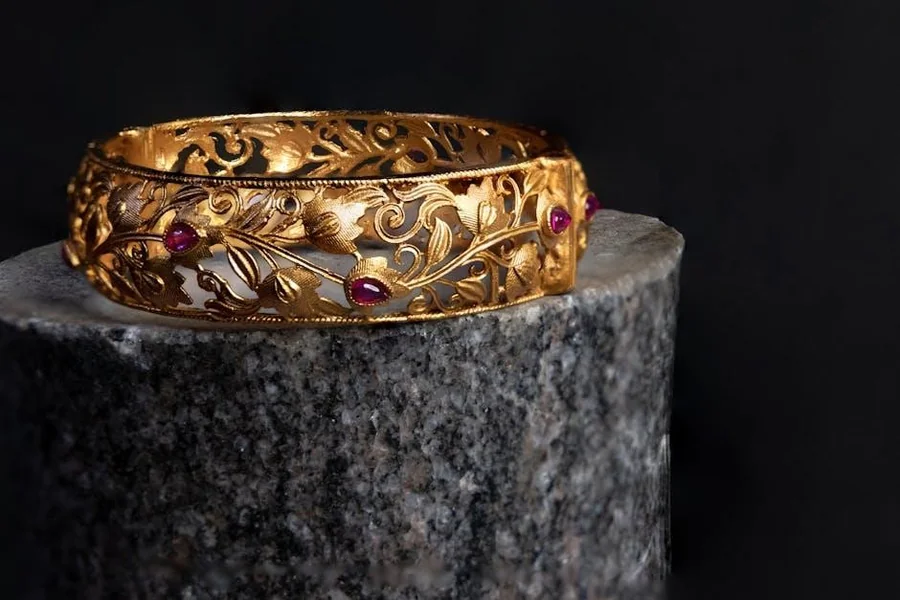
The jewellery market is vast and ever-evolving, continuously welcoming innovative trends and materials. Gem-encrusted pieces, layered necklaces, and statement earrings remain fashionable, with gold offering the perfect canvas for such creativity. Additionally, the resurgence of vintage and antique styles has bolstered the popularity of estate jewellery, where craftsmanship and history merge.
In recent years, mixed metal jewellery has gained momentum. The combination of gold with other metals like silver or platinum allows for unique contrasts and adds modern flair. It also speaks to a broader cultural movement towards individuality, where mixing different styles and colours becomes a statement in itself.
Symbols and Meanings Encapsulated in Gold
Gold jewellery serves more than a decorative function; it often conveys deep personal or cultural significance. Across various cultures, gold is used in ceremonies marking life milestones such as weddings, anniversaries, and graduations. For many, a gold piece is not just an accessory but a cherished heirloom passed through generations.
Personalisation has become a cornerstone in jewellery design, with consumers opting for custom pieces that express individuality or commemorate significant life events. From engraved messages to uniquely chosen gemstones, personal touches enhance the intrinsic value of gold jewellery.
Care and Maintenance of Gold Jewellery
Owning gold jewellery entails responsibility, as it requires specific care to preserve its beauty and integrity. Regular cleaning is essential to remove residues that can dull its shine. A mild detergent mixed with warm water often suffices, alongside gentle scrubbing with a soft cloth. For intricate designs or vintage pieces, professional cleaning is recommended to ensure no damage occurs.
Furthermore, storing gold jewellery correctly can prevent scratches and tarnishing. Separating pieces into dedicated compartments within a jewellery box and using anti-tarnish cloths contribute significantly to long-term preservation.
The Future of Gold Jewellery
As the demand for personalisation and ethical sourcing grows, the jewellery industry faces both challenges and opportunities. Sustainable practices, technological advancements in crafting, and changing consumer preferences drive the market forward. Gold remains a cornerstone metal, adored for its intrinsic and aesthetic value, and will continue evolving with cultural shifts.
However, the core appeal of gold jewellery endures; it remains a timeless token of human artistry and emotion. Just as ancient civilisations revered its brilliance, modern society continues to embrace its splendour, weaving it into the fabric of both personal adornment and cultural significance.