
How does an Applied Behavior Analysis Therapist Support Transition Routines at Home?
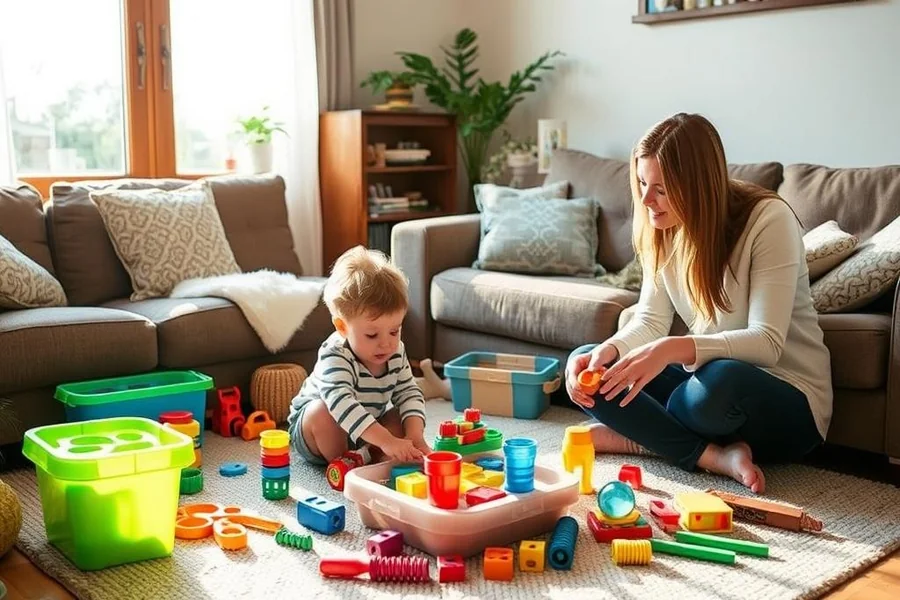
Home routines can look simple from the outside. Getting dressed, turning off a tablet, sitting down for dinner, leaving for school, or moving from playtime to bedtime may seem like small parts of an ordinary day. For many families, though, those moments carry the most strain. The challenge is rarely the activity itself. The difficulty comes from shifting attention, stopping a preferred task, accepting a new demand, or moving into a less predictable part of the day. An Applied Behavior Analysis therapist helps make those transitions more manageable by studying patterns, reducing friction, and building routines that feel clearer and more achievable at home.
Why Transitions Often Trigger Stress
- Building Predictable Steps
An Applied Behavior Analysis therapist usually begins by looking at the exact moments when transitions fall apart. One child may struggle when asked to stop a favorite activity. Another may become upset when moving from a quiet task to a louder family setting. A therapist does not treat all transition difficulties as one issue. Instead, the work focuses on identifying what happens before the transition, what the child is expected to do during it, and what happens immediately after. That level of attention matters because home routines often become stressful when expectations change too quickly or when support is lacking. Clear visual cues, short verbal prompts, consistent timing, and simple transition signals can reduce confusion before resistance builds. In many households, families exploring support options like Autism ABA Therapy are often trying to solve this exact problem: how to make daily movement between activities feel less overwhelming and steadier. The therapist helps shape those moments into smaller, more predictable steps so the child can succeed without the home feeling like a constant negotiation.
- Using Reinforcement To Support Change
A therapist also helps families understand that transitions go more smoothly when the child has a reason to participate successfully. That does not mean offering random rewards for every routine. It means using reinforcement thoughtfully so the child learns that moving from one activity to another can lead to positive outcomes instead of immediate frustration. If a child consistently resists putting toys away before dinner, the therapist may help parents pair that transition with a preferred next step, strong praise, or a predictable sequence that makes the task feel more manageable. The goal is not to force quick compliance through pressure. The goal is to build cooperation by making the transition clearer, more consistent, and more worthwhile from the child’s perspective.
This kind of support often changes the emotional tone of the home. Parents may have been repeating instructions, warning about consequences, or carrying the entire routine through verbal prompting alone. A therapist can reduce that pressure by creating a system where the child begins to recognize what comes next and how to move through it with less resistance. Reinforcement becomes part of a larger routine, not a separate trick. Over time, the child starts responding to the structure itself, and the transition becomes less dependent on constant adult correction.
- Adjusting The Environment At Home
Transition routines are not shaped solely by behavior. They are also shaped by the home’s physical and sensory environment. An Applied Behavior Analysis therapist pays attention to whether noise, clutter, screen use, room layout, lighting, or competing demands are making transitions harder than they need to be. A child who struggles to leave the living room may not only be resisting the next activity. The environment itself may be drawing attention back to preferred items, distractions, or over stimulating conditions. Small adjustments can make a meaningful difference. Moving materials out of sight, preparing the next activity before the transition starts, reducing background noise, or setting up a more consistent path from one routine to another can lower frustration.
This practical approach is one reason home-based transition support can be so useful. The therapist is not working from an abstract plan disconnected from daily family life. The work happens in the setting where the stress actually occurs. That allows the therapist to notice whether a morning routine breaks down at the bathroom door, whether homework struggles begin after a long, unstructured break, or whether bedtime becomes difficult because too many steps are packed into a short period. These observations help the family make changes that fit the home’s real pace and layout.
Steady Routines Build Daily Confidence
Transition routines at home can affect far more than a single part of the day. When moving from one activity to another becomes smoother, mornings often feel less rushed, meals feel calmer, homework becomes easier to start, and bedtime carries less tension into the evening. An Applied Behavior Analysis therapist supports progress by breaking transitions into manageable parts, strengthening cooperation through reinforcement, adjusting the home environment, and coaching parents to respond more consistently.
That work is practical because it meets the family where the stress is. Rather than expecting children to adapt instantly to every change, the therapist helps build clearer, more predictable, and easier-to-repeat routines day after day. Over time, these changes can support greater independence and a more stable rhythm at home.