
How do Smart Pool Automation Systems work for Modern Homes?
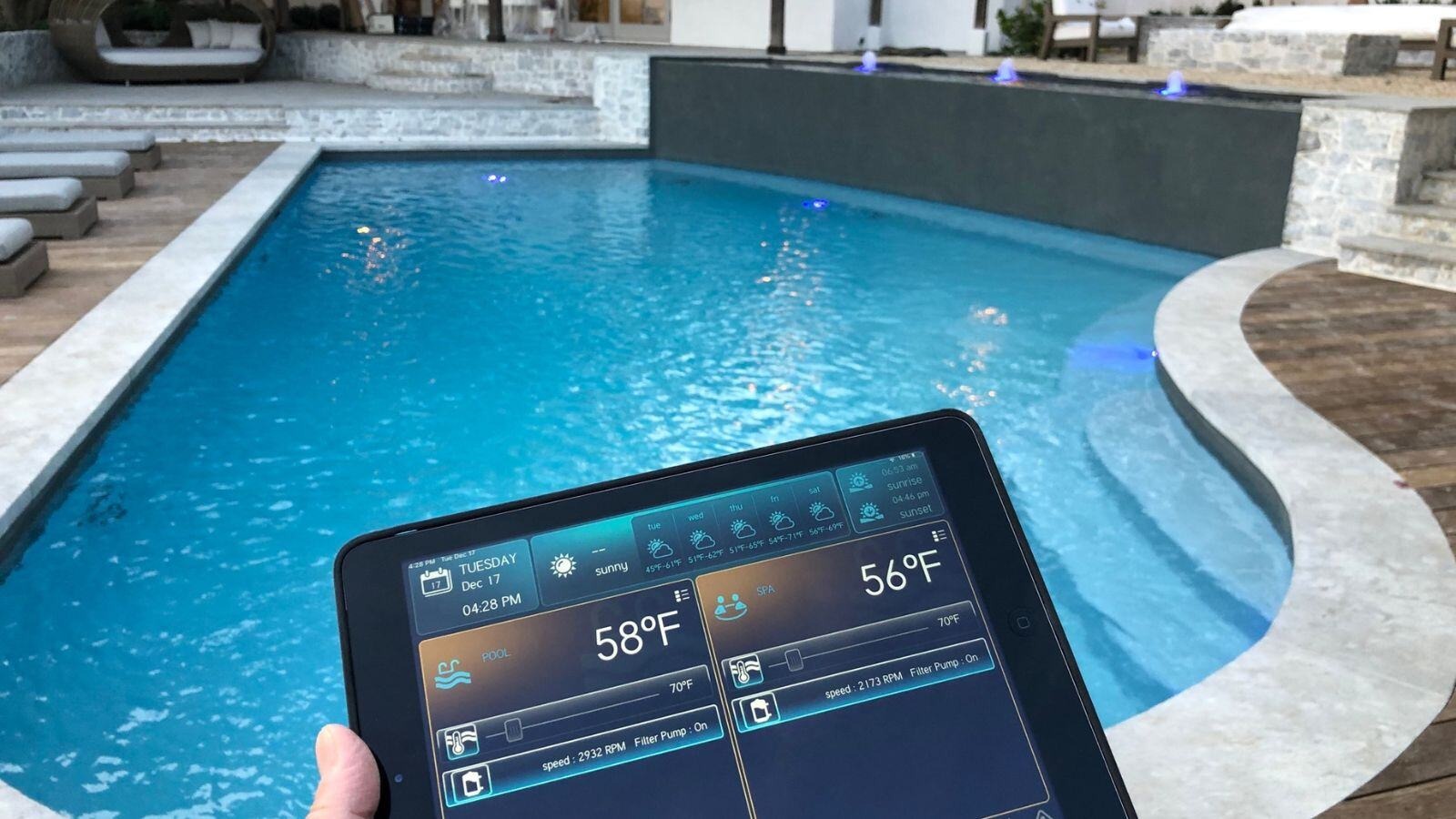
Modern pools include more equipment than older setups, such as variable-speed pumps, salt systems, heaters, LED lighting, water features, and sometimes spa spillovers and in-floor cleaning. Managing all of these parts manually can become time-consuming, especially when the weather changes quickly or when the pool is used irregularly. Smart pool automation systems bring these controls into one interface, usually a phone app, wall panel, or web dashboard, so homeowners can schedule, monitor, and adjust equipment without walking to the pad each time. The main advantage is consistency. Automation helps the pool run at the right level each day, keeps filtration aligned with swimmer load, and maintains stable chemical conditions through improved circulation routines. It can also reduce waste by letting the pump run at lower speeds for longer, which often uses less energy than short high-speed runs. Automation is not only about convenience; it also helps prevent common problems such as cloudy water, overheating, and forgetting to turn equipment back on after maintenance. For busy households, it turns pool care into a predictable routine rather than a constant task list.
How automation ties everything together
- What smart pool automation controls and monitors
A typical automation system functions as a central brain, connecting to pool equipment via relays, sensors, and digital communication links. It can control pump speeds, set heater temperatures, turn lights on and off, activate water features, and run spa modes with one tap. For pools with variable-speed pumps, automation can create multiple programmed speeds, such as a low speed for daily filtration, a medium speed for skimming, and a higher speed for waterfalls or vacuuming. Some systems monitor water and air temperatures and pump status, and display alerts if anything is off. Many homeowners also add automated chemical support, such as salt chlorine generation control or dosing pumps, which rely on good circulation schedules to work well. Freeze protection can be built in for colder climates, automatically running the pump if temperatures approach freezing. That feature is especially valuable for homeowners who travel, as it reduces the risk of burst pipes from sudden cold snaps. Over time, monitoring data helps owners understand what settings keep water clear and comfortable without overrunning the equipment.
- Scheduling, modes, and smart routines that reduce effort
The real value of automation comes from routines that match how the pool is used. Instead of manually turning equipment on and off, owners set daily schedules and create mode buttons for common situations. For example, a swim mode might increase pump speed for stronger circulation and help the heater reach a comfort setpoint, while an evening mode might turn on low-glow lighting and run the pump quietly at a low speed. A spa mode can redirect valves, warm the water, and activate jets in a coordinated sequence, then return to pool mode afterward. This is particularly helpful for modern backyards where the pool, spa, and water features share plumbing. People planning Custom Pool Design for Minneapolis Homes often choose automation early so plumbing and equipment layouts support these modes cleanly, with valves and circuits arranged for easy control. Good scheduling also saves energy. Running a variable-speed pump at lower speeds for longer periods can maintain filtration and chemical mixing while using less electricity. Automation helps owners stick to these efficient patterns even when routines get busy.
- Sensors, alerts, and remote control for peace of mind
Smart systems reduce surprises by providing alerts when something unusual happens. If a pump loses prime, if water temperature rises unexpectedly, or if a salt system reports a fault, the owner can be notified quickly. Some systems integrate with leak sensors around the equipment pad to detect water where it should not be. Others use flow sensors that indicate blocked baskets, dirty filters, or valve problems. A remote control is especially useful for second homes or for families who travel. Instead of asking someone to check the pool daily, the owner can verify that the pump is running, adjust schedules during storms, or raise the heater before arriving. Weather awareness also plays a role. While not every system has true weather-based automation, owners can adjust schedules when heavy rain is forecast, reducing the risk of overflow or diluted chemistry. Remote access also helps with service visits. A pool technician can ask the owner to activate a feature remotely or check system status, which can reduce troubleshooting time and ensure repairs are targeted rather than trial-and-error.
A simpler way to run a modern pool
Smart pool automation systems help modern homes manage complex pool equipment with consistent schedules, easy modes, and useful monitoring, reducing day-to-day effort. By connecting pumps, heaters, lights, valves, and sanitation equipment into one control platform, automation turns manual tasks into predictable routines that support clear water and comfortable temperatures. Scheduling and mode buttons make it easy to switch between swim, spa, and evening settings without walking to the pad, while alerts and remote access provide peace of mind during travel or changing weather. When paired with variable-speed pumps and efficient equipment, automation can also support energy savings by keeping circulation aligned with real needs rather than guesswork. Success depends on a clean setup, reliable connectivity, and simple programming that matches how the household uses the pool across seasons. With thoughtful design and a few sensible routines, automation reduces stress, cuts wasted run time, and keeps the pool ready more often, making the backyard feel like a feature that supports daily life rather than another system that needs constant attention.