
Can Removing Boxelder Trees Reduce Bug Infestations Around Homes?
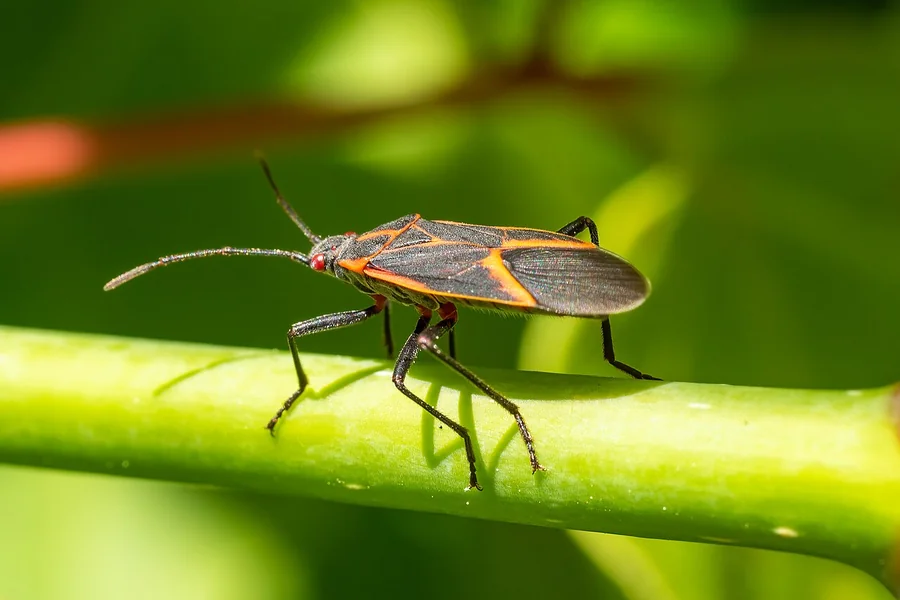
Boxelder bugs are a common nuisance for many homeowners, especially in regions where boxelder trees are prevalent. These insects are known for congregating in large numbers on sunny walls, windows, and even making their way indoors as the weather cools. Their presence can be both unsightly and frustrating, leading many to wonder if removing boxelder trees from their property could help reduce these infestations. Understanding the relationship between boxelder trees and boxelder bugs is crucial for anyone seeking to minimize the presence of these pests around their home. This article examines whether tree removal is an effective strategy and explores alternative methods for managing boxelder bug populations.
What to expect from this article
Understanding boxelder bugs and their habits
Boxelder bugs are black insects with distinctive red or orange markings, commonly found in North America. They are most active during the warmer months, feeding primarily on the seeds, leaves, and twigs of boxelder trees, as well as other maples and ash trees. These bugs are not known to cause significant damage to trees or plants, but their tendency to gather in large numbers can be a major annoyance for homeowners. As temperatures drop in the fall, boxelder bugs seek warmth and shelter, often finding their way into homes through cracks, gaps, and poorly sealed windows or doors. Once inside, they do not reproduce or cause structural damage, but their presence can be bothersome, and their droppings may stain surfaces. Understanding their life cycle and behavior is essential for developing effective strategies to keep them at bay.
The connection between boxelder trees and infestations
Boxelder trees serve as the primary food source and breeding ground for boxelder bugs. These trees produce seeds that are particularly attractive to the insects, providing both nourishment and a place to lay eggs. When boxelder trees are present near homes, the likelihood of encountering large populations of these bugs increases significantly. Homeowners often notice swarms of boxelder bugs on the sunny sides of their houses, especially in the fall when the insects are seeking warmth. While boxelder bugs can also feed on other types of trees, their populations tend to be much higher in areas where boxelder trees are abundant. This close association between the trees and the bugs leads many to consider whether removing the trees could help reduce infestations and make their homes less attractive to these persistent pests.
Can tree removal reduce boxelder bug populations?
Removing boxelder trees from your property can have a noticeable impact on the number of boxelder bugs you encounter around your home. Without their preferred food source and breeding habitat, boxelder bugs are less likely to congregate in large numbers nearby. However, it is important to recognize that tree removal is not a guaranteed solution. Boxelder bugs are capable of traveling considerable distances in search of food and shelter, so even if you remove the trees from your yard, nearby properties with boxelder trees can still contribute to infestations. Additionally, the process of removing mature trees can be costly and may not be feasible for everyone. For those living in neighborhoods with many boxelder trees, a community-wide approach may be necessary to see a significant reduction in bug populations. For homeowners in Utah, boxelder bug control Salt Lake City services can provide additional support in managing these pests, especially when tree removal alone is not sufficient.
Alternative strategies for managing boxelder bugs
While removing boxelder trees can help reduce the local population of boxelder bugs, there are other effective strategies for keeping these insects at bay. Sealing cracks and gaps around windows, doors, and foundations is one of the most important steps homeowners can take to prevent bugs from entering their homes. Using caulk, weatherstripping, and door sweeps can make a significant difference in keeping boxelder bugs outside where they belong. Regularly cleaning up fallen seeds and leaves from boxelder trees can also help reduce the food sources available to the bugs. In some cases, targeted use of insecticides around entry points may be warranted, but this should be done with caution and in accordance with local regulations. Encouraging natural predators, such as birds and spiders, can also help keep boxelder bug populations in check. Combining these methods with tree removal, when possible, offers a comprehensive approach to managing infestations and minimizing the nuisance caused by these persistent insects.
The impact of boxelder bugs on homes
Boxelder bugs do not bite, sting, or cause structural damage to homes, but their presence can still be a significant nuisance for homeowners. When large numbers of these bugs gather on exterior walls, patios, or windows, they can create an unsightly appearance and make outdoor spaces less enjoyable. Indoors, boxelder bugs may leave behind stains from their droppings, which can be difficult to remove from curtains, walls, and other surfaces. Their tendency to cluster in warm, sunny areas can also lead to unpleasant odors if they are crushed or disturbed. While they are not harmful to humans or pets, the sheer number of bugs that can invade a home during peak seasons makes effective management a priority for many. Understanding the impact of boxelder bugs on daily life underscores the importance of taking proactive steps to reduce their presence around the home.
Tree removal: a short-term and long-term perspective
Removing boxelder trees can provide both immediate and lasting benefits in the effort to control boxelder bug populations. In the short term, homeowners may notice a reduction in the number of bugs congregating near their homes, especially during the fall migration period. Over the long term, the absence of boxelder trees can lead to a sustained decrease in local bug populations, as the insects lose access to their primary food source and breeding habitat. However, the effectiveness of this strategy depends on the presence of boxelder trees in the surrounding area and the willingness of neighbors to participate in tree removal efforts. For some, the aesthetic or environmental value of boxelder trees may outweigh the benefits of removal, making it important to weigh all factors before making a decision.
Conclusion
Deciding whether to remove boxelder trees as a means of reducing bug infestations around homes involves careful consideration of both the benefits and limitations of this approach. While eliminating these trees can decrease the local population of boxelder bugs and make homes less attractive to them, it is not a foolproof solution, especially in neighborhoods where boxelder trees remain nearby. Combining tree removal with other preventative measures, such as sealing entry points and maintaining a clean yard, can offer a more comprehensive defense against these persistent pests. Ultimately, the choice to remove boxelder trees should take into account the specific circumstances of the property, the surrounding environment, and the homeowner’s tolerance for the presence of these bugs. By understanding the relationship between boxelder trees and boxelder bugs, homeowners can make informed decisions to protect their homes and enjoy a more comfortable living space.