
AED Use in the Workplace: Building a Safer Environment
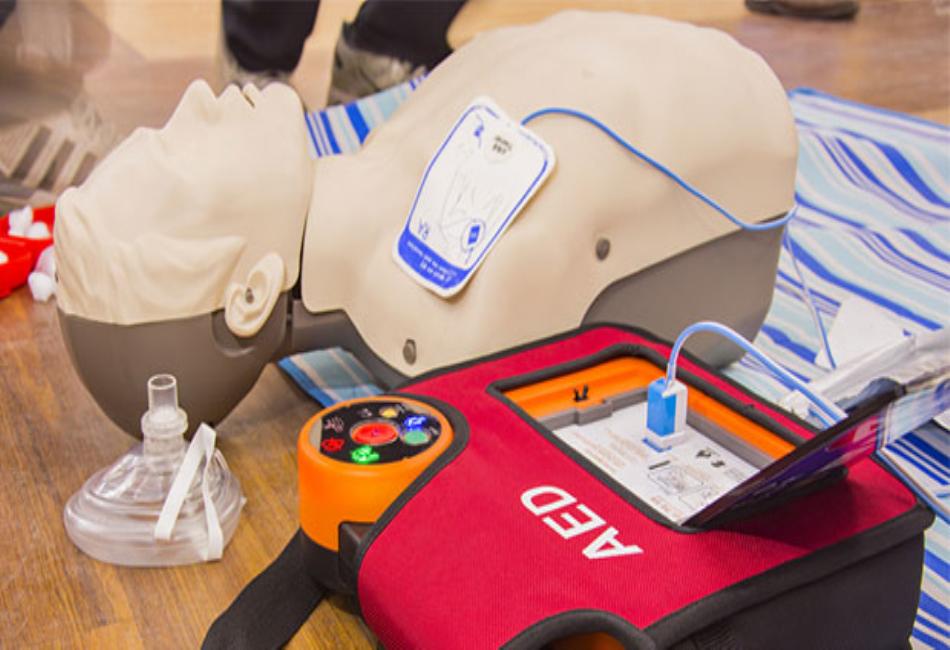
Workplaces are designed to foster productivity, collaboration, and innovation, but they also need to prioritize safety. While many offices and job sites focus on fire drills, first aid kits, and health policies, one vital tool is often overlooked: the Automated External Defibrillator (AED). Sudden cardiac arrest can strike anyone, anywhere—even in professional environments—and when it does, the availability and use of an AED can mean the difference between life and death. Creating safer workplaces requires not only having AEDs onsite but also ensuring that employees are aware, confident, and ready to use them.
Why AEDs Are Essential in Workplaces
Cardiac arrest happens when the heart suddenly stops beating effectively due to an electrical malfunction. Unlike a heart attack, which is caused by a blocked artery, cardiac arrest requires immediate intervention. CPR maintains blood flow temporarily, but defibrillation through an AED is the only way to restore a normal heart rhythm. With every passing minute, survival chances drop by 7–10 percent. Considering that emergency responders may take several minutes to arrive, a workplace AED provides an immediate, life-saving solution.
Where Cardiac Arrest Strikes
Many assume cardiac arrests only occur in hospitals or among older adults. In reality, they can happen anywhere—including offices, schools, construction sites, and warehouses. A significant percentage of out-of-hospital cardiac arrests occur in workplaces, making employee preparedness critical. Even younger, seemingly healthy individuals may face sudden cardiac arrest triggered by stress, undiagnosed heart conditions, or other medical factors.
The Role of AEDs in Safety Programs
Workplace safety programs typically address fire prevention, evacuation plans, and injury response, but they often lack focus on cardiac emergencies. Integrating AEDs into these programs provides comprehensive protection. AEDs should be placed in easily accessible locations, just like fire extinguishers, with clear signage and regular maintenance. More importantly, staff must be trained not just in basic first aid but also in recognizing cardiac arrest and using an AED without hesitation.
Removing Myths and Hesitation
One of the main barriers to AED use is hesitation. Employees often worry about doing something wrong, hurting the victim, or facing legal consequences. In reality, AEDs are designed for simplicity, guiding the user through each step with voice prompts. They analyze heart rhythms automatically and only deliver a shock if it is necessary. Additionally, Good Samaritan laws protect individuals who provide reasonable assistance in emergencies, reducing fear of liability.
Training Builds Confidence
Knowledge is key to overcoming hesitation. Practical training ensures employees know what to expect, how to use AEDs correctly, and how to remain calm in emergencies. This training goes hand in hand with CPR instruction, creating a complete life-saving skill set. Workplaces that encourage programs such as cpr toronto provide their employees with the confidence to step forward instead of stepping back. In high-stress moments, this confidence makes all the difference.
The Business Case for AEDs
Beyond saving lives, AEDs bring practical benefits to organizations. Employers who prioritize AED access demonstrate genuine care for their staff, which builds trust and morale. Insurance providers may view AED-equipped workplaces more favorably, potentially lowering liability risks. Additionally, organizations gain reputational value by being proactive in safety rather than reactive after a crisis.
AED Placement and Maintenance
Simply owning an AED is not enough. Placement and maintenance are crucial. Devices should be located in common areas such as break rooms, lobbies, and near elevators—places where people naturally gather. They should be checked regularly to ensure batteries and pads are functional. Staff should know the exact locations of all AEDs, just as they know where fire exits are. Clear signage makes them visible, even to visitors who may not be familiar with the workplace.
Creating a Culture of Safety
AEDs are most effective when they are part of a broader culture of safety. This means leadership commitment, regular training sessions, and drills that include AED use. It also means encouraging employees to view safety not as a responsibility for a few, but as a shared commitment. A culture where people look out for one another strengthens teamwork and ensures preparedness when emergencies arise.
Stories That Inspire Change
Real-world success stories highlight the value of AEDs in workplaces. Employees revived after sudden collapse, visitors saved during meetings, and contractors aided onsite—all of these examples demonstrate how AEDs transform outcomes. Sharing such stories within organizations helps employees see AEDs not as abstract devices but as tools with real, life-saving power.
The Future of Workplace AEDs
As awareness grows, AEDs are becoming more common in public spaces, from airports to gyms. Workplaces are the next frontier, with many safety experts calling for legislation requiring AEDs in large offices and industrial sites. Advances in technology are also making AEDs more affordable, portable, and user-friendly, removing barriers to adoption. The future will likely see AEDs treated as essential safety equipment, much like fire extinguishers and smoke detectors.
Conclusion
Workplace safety is about more than compliance—it’s about creating environments where employees can thrive without fear of preventable emergencies. Cardiac arrest is sudden, silent, and deadly, but AEDs offer an immediate lifeline. Their presence, combined with CPR, can drastically improve survival rates in the workplace.