
The Music Legends Who Changed the Way We Dress
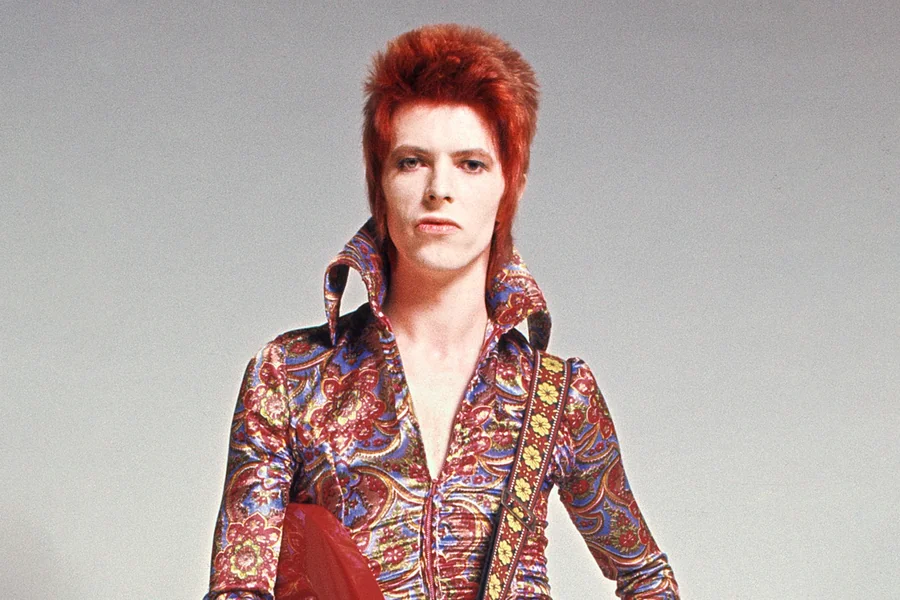
Music and fashion have always shared a powerful connection, with some of the world’s most influential musicians shaping trends that extend far beyond the stage. With rebellious leather jackets and colourful statement pieces, legendary performers have inspired generations to express themselves through clothing. Their distinctive styles often reflected their personalities, cultural backgrounds, and artistic beliefs, turning everyday garments into symbols of identity. Even decades after their greatest performances, these musicians continue to influence contemporary wardrobes, proving that iconic fashion can stay relevant long after musical trends change.
Rock Icons Who Redefined Personal Style
Few musicians have influenced fashion quite like David Bowie, whose fearless approach to clothing challenged conventional expectations. Through his Ziggy Stardust persona, Bowie embraced theatrical costumes, dramatic makeup and bold colours that encouraged fans to experiment with their appearance. His ability to reinvent himself demonstrated that fashion could be an extension of artistic creativity rather than simply a reflection of current trends.
Other rock legends helped establish equally recognisable styles. The Rolling Stones popularised a rebellious aesthetic featuring fitted trousers, leather jackets and effortlessly dishevelled outfits, while Freddie Mercury became famous for flamboyant stage costumes and striking accessories. These performers turned clothing into a vital part of their public identities, inspiring fans to embrace individuality and confidence.
Their influence remains visible in modern fashion collections, where vintage band graphics, statement jackets, and retro silhouettes continue to attract attention. What began as stagewear has become an enduring source of inspiration for everyday wardrobes.
Bob Marley and the Influence of Reggae Fashion
Bob Marley’s contribution to popular culture extended well beyond his extraordinary musical achievements. As one of reggae’s most celebrated figures, he helped introduce international audiences to Jamaican culture, Rastafarian symbolism and a relaxed approach to personal style. His distinctive appearance, including dreadlocks, comfortable clothing and the red, gold and green associated with Rastafarian culture, became instantly recognisable around the world.
Marley’s influence continues through contemporary music merchandise and casual fashion. Fans looking to celebrate his legacy can explore Bob Marley t shirts, which feature artwork inspired by his music, memorable imagery and distinctive cultural aesthetic. These garments let admirers show their appreciation for an artist whose messages of peace, unity, and social awareness remain meaningful today.
His lasting appeal also demonstrates how music-inspired clothing can represent something more personal than a passing fashion trend. For many fans, wearing an artist’s image creates a connection to the music, values, and memories associated with their work.
Why Music-Inspired Fashion Never Goes Out of Style
The relationship between music and fashion continues to evolve as new generations discover influential artists from previous decades. Vintage concert shirts, oversized denim jackets, and retro accessories regularly return to popularity, often reinterpreted through contemporary styling. Social media and renewed interest in classic music have also helped introduce younger audiences to the distinctive looks of legendary performers.
Unlike trends driven entirely by seasonal collections, music-inspired fashion carries emotional and cultural significance. A favourite band shirt might recall an unforgettable concert, represent a personal belief or simply celebrate an artist’s creativity. This connection gives such clothing an enduring appeal that extends beyond its appearance.
Conclusion
From Bowie’s theatrical experimentation to Marley’s relaxed authenticity, music legends have demonstrated that personal style is a powerful form of expression. Their influence reminds us that memorable fashion is not necessarily about following trends, but about wearing something that reflects individuality, confidence, and a genuine connection to culture.