
The Hidden Risks of Poorly Planned Maintenance Routes
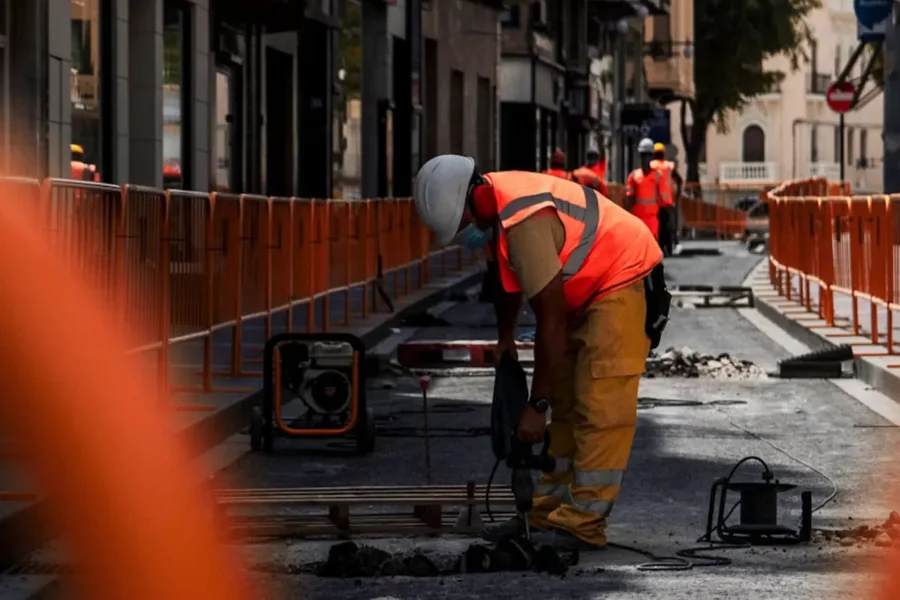
Maintenance activities are essential for keeping industrial facilities safe, efficient, and productive. However, the routes workers take to access equipment are often overlooked during workplace planning. Poorly designed maintenance routes can create unnecessary hazards, increase downtime, and make routine tasks more difficult than necessary. Understanding these hidden risks helps businesses create safer working environments while improving operational efficiency. If you are ready to learn more, keep reading.
Increased Risk of Slips, Trips, and Falls
One of the most significant dangers associated with poorly planned maintenance routes is the increased likelihood of workplace accidents. Maintenance workers frequently navigate areas containing pipes, cables, machinery, and uneven surfaces. Without designated walkways or suitable access equipment, employees may need to step over obstacles or move through restricted spaces. These conditions increase the risk of slips, trips, and falls, particularly when workers carry tools or replacement components. Providing clear pathways, appropriate lighting, and stable walking surfaces can significantly reduce these hazards.
Difficult Access to Essential Equipment
Maintenance teams need reliable access to machinery for inspections, repairs, and preventive maintenance. When equipment is positioned in difficult-to-reach locations, even simple tasks can become unnecessarily complicated. Workers may need to take lengthy detours, navigate crowded production areas, or use unsuitable access methods.
Installing practical access solutions, such as mini step-over platforms, can help employees safely navigate obstacles without disrupting surrounding operations. Solutions available from Kee Systems demonstrate how purpose-designed access equipment can support safer maintenance movement. Improving accessibility like this also helps maintenance teams complete essential work more efficiently.
Unexpected Operational Downtime
Poor maintenance route planning can affect productivity throughout an industrial facility. When technicians struggle to reach equipment, routine inspections and repairs may take longer than expected. These delays can become particularly costly when machinery requires urgent attention. Restricted access may also discourage timely preventive maintenance, increasing the likelihood of equipment failures.
Businesses can minimize these disruptions by evaluating maintenance routes during facility planning and ensuring essential machinery remains accessible. This includes allowing sufficient space around equipment, keeping access routes clear, and considering how technicians will transport tools and replacement parts. Existing facilities can also benefit from regular reviews of maintenance access, particularly when new machinery is installed or production layouts change. Addressing potential obstacles early can make routine maintenance more efficient, reduce unnecessary delays, and help keep operations running smoothly.
Greater Exposure to Workplace Hazards
Maintenance personnel often work near moving machinery, electrical installations, elevated surfaces, and vehicle traffic. Poorly organized access routes can expose employees to these hazards unnecessarily. For example, a technician forced to cross an active forklift route to inspect equipment faces additional risks that could potentially be avoided through better planning. Separating pedestrian movement from vehicle operations, installing protective barriers, and clearly marking maintenance pathways can improve workplace safety.
The Importance of Regular Route Assessments
Maintenance routes should not remain unchanged as facilities evolve. New machinery, production layouts, and storage arrangements can introduce obstacles that were not present during initial planning. Therefore, it’s an absolute must to do regular workplace assessments that help identify emerging access problems before they contribute to accidents or operational delays. Don’t let things lie until this assessment, though. Maintenance workers should also be encouraged to report difficult access points and suggest practical improvements.
Conclusion
Poorly planned maintenance routes create risks that extend beyond inconvenient movement. They can contribute to workplace injuries, delayed repairs, and costly operational disruptions. There are easy ways to combat this, however. It starts with accessible equipment, designated pathways, and regular safety assessments. Doing this means businesses can establish maintenance environments that support both employee protection and long-term operational reliability.