
The Waste Problem With Disposable Vapes, and the Designs Trying to Fix It
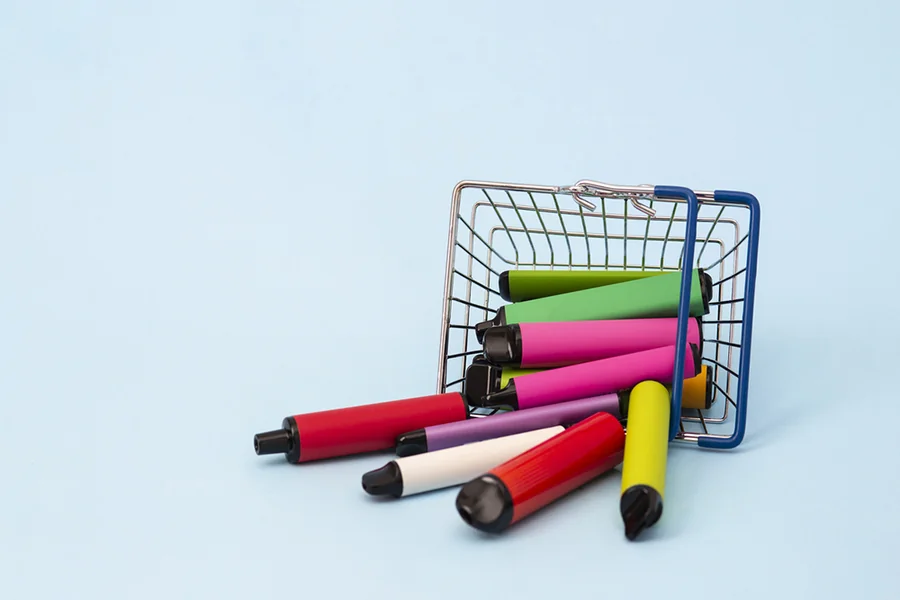
Disposable vapes solved a convenience problem and created a waste problem in the process. Each one contains a lithium battery, a circuit board, a heating coil, plastic housing, and leftover nicotine e-liquid, and nearly all of it ends up in the trash once the device runs dry. Multiply that by the number of disposables sold every year, and the result is a steady stream of small electronics that most waste systems aren’t built to handle. Regulators, recyclers, and manufacturers have all started responding, with mixed results so far.
For adult vapers, the waste issue shows up in practical ways, from confusion about how to throw a device away to new products built around reusable parts. Some of the industry’s answers genuinely cut down on discarded batteries, while others mostly shift the problem around. The sections below cover how big the problem is, why vapes are hard to dispose of, what the U.K.’s disposable ban has shown so far, and which design changes are making a real difference.
How Big the Disposable Vape Waste Problem Is
Disposables now make up the majority of the U.S. vape market. The CDC Foundation’s Monitoring Tobacco Project found that disposables accounted for 57.7 percent of U.S. e-cigarette unit sales in March 2026, up from 25.9 percent in February 2020. That shift matters for waste because a refillable device can last months or years, while a disposable is designed to be thrown out after a single e-liquid fill. More disposables sold means more batteries headed to the trash.
The totals are large. A July 2025 report from the U.S. PIRG Education Fund estimated that Americans threw away about 178.7 million disposable vapes in 2023, or nearly 500,000 a day, based on CDC Foundation sales figures. The same report calculated that those devices contained roughly 30 tons of lithium, which it compared to the amount needed for about 3,350 electric vehicle batteries. Because there’s no established recycling standard for disposable vapes in the U.S., the report assumed almost all of them end up as waste.
Why Vapes Are So Hard to Throw Away
Vapes combine two waste streams that are each difficult on their own. The EPA classifies discarded e-cigarettes from schools and businesses as hazardous waste, since nicotine e-liquid is listed as an acute hazardous waste and spent lithium batteries are typically ignitable and reactive. The agency advises against putting e-cigarettes in either trash or recycling bins, and it warns that compactors in garbage trucks can damage batteries and start fires during transport and at waste facilities. Household trash is regulated differently, but the fire and contamination risks are the same once a device leaves the home.
Leftover e-liquid adds a second layer of concern. Researchers publishing in Environmental Monitoring and Assessment tested e-liquid from discarded disposables collected in the U.K. and found lead levels among the highest ever reported in an e-cigarette. Unused devices from the same brands showed similar results, which suggested the metals were present from the start. The study’s authors concluded that discarded disposables could leach heavy metals into groundwater and add to the solid waste load in landfills.
Physical design makes recycling harder still. Most disposables are glued or press-fit shut, with batteries that aren’t meant to be removed, so recyclers have to take them apart by hand or shred them under controlled conditions. That labor makes processing expensive compared with the tiny amount of recoverable material inside each device. As a result, many curbside programs refuse them outright, leaving users with few convenient options.
What the U.K. Ban Has Shown So Far
The U.K. offers the clearest test of a policy response. It banned the sale of single-use vapes on June 1, 2025, aiming to cut the number of devices ending up in landfills and waste fires. A year later, research from the nonprofit recycling group Material Focus found that around 6.3 million vapes and vape pods were still being thrown away every week across the country. That figure represented a 23 percent drop from the year before, and purchases of disposable-style products fell 31 percent.
The results show both progress and limits. Many users switched to cheap rechargeable devices that look and feel like disposables, and Material Focus found that some people throw those away while the batteries still hold a significant charge. Some waste operators have argued that discarded rechargeable devices pose an even greater fire risk, because their batteries are larger and more likely to be partly charged. A ban on single-use devices cuts waste most when people actually reuse the replacements.
Designs Built Around Reusable Parts
The most promising design change separates the parts that wear out from the parts that don’t. In a modular setup, the battery, charging port, and electronics stay in a reusable unit, while the e-liquid and coil sit in a replaceable pod. Current rechargeable docks paired with prefilled pods show how that approach works in practice, with a single dock running through pod after pod and recharging over USB-C between uses. Instead of discarding a battery with every empty device, the user keeps one battery for the life of the dock.
That split reduces battery waste in a meaningful way. A heavy vaper going through several disposables a week would otherwise throw away dozens of lithium batteries a month, and a reusable dock replaces all of them with one. The pods still create waste, since each contains plastic, a coil, and leftover e-liquid, but a pod without a battery is far less of a fire risk in a garbage truck. The overall material footprint per puff also drops when the heaviest component gets reused.
Refillable pod systems take the same idea further. With these devices, users fill pods from bottled e-liquid and replace only the coil or pod shell when it wears out, which cuts packaging and plastic waste compared with prefilled pods. The tradeoff is convenience, since refilling and swapping coils take more attention than snapping on a new pod. For users who want the lowest possible waste, refillable systems remain the strongest option, while prefilled pod systems offer a middle ground that’s easier to adopt.
The Limits of Design Fixes
Reusable designs only help if users treat them as reusable. Material Focus’s finding about rechargeable devices being thrown out with charge left shows how quickly good design can be undercut by cheap prices and old habits. If a dock costs little more than a disposable, some users will treat it as one. Keeping a dock in use for months is what delivers the environmental benefit.
Proprietary pods create another weak point. Most dock systems only accept their own pods, and even within a single brand, different product lines often aren’t compatible. If a line is discontinued or pulled from a state’s market under directory laws, a perfectly good dock can become waste overnight. Buyers who want to keep a dock in service should check that its pods are widely stocked and legal where they live.
Pods and docks also still need proper disposal at the end of their life. Many vape shops and some retailers accept used devices and pods for recycling, and household hazardous waste programs and battery drop-off sites often take vapes as well. The EPA’s guidance recommends sealing devices in a clear bag or taping battery terminals before dropping them off, which lowers the chance of a short circuit. Those steps take a minute and prevent the most common cause of vape-related waste fires.
What Adult Vapers Can Do
The simplest step is choosing hardware that lasts. A reusable battery, whether paired with prefilled pods or a refillable tank, cuts the number of lithium cells headed to landfills far more than any recycling program can. Users who prefer prefilled convenience can get most of the benefit from a dock system, while those comfortable with a little maintenance can go further with refillable pods. Either choice beats a new disposable every few days.
Disposal habits matter just as much. Vapes, pods, and batteries shouldn’t go in household trash or curbside recycling, so it’s worth finding a nearby vape shop, retailer, or household hazardous waste site that accepts them. Saving used pods and dead devices in a sealed container until there’s enough for a drop-off trip makes the process easier. Taping battery terminals or bagging each device keeps that container from becoming a fire hazard itself.
Disposable vapes became popular because they’re simple, but that simplicity comes with a real environmental cost. Policy changes like the U.K. ban have reduced the number of devices being thrown away, though millions still end up in the waste stream every week. Design changes that keep the battery in use across many pods address the biggest part of the problem. For adult vapers, pairing reusable hardware with proper disposal is the most practical way to cut down on the waste.