
6 Socialization Strategies for Online School Students
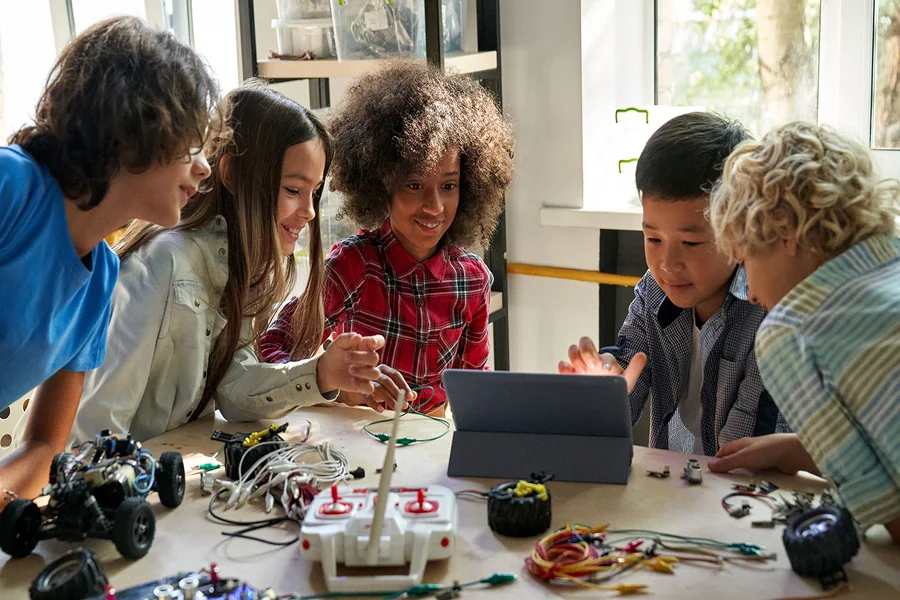
A common concern among families transitioning to digital learning is whether remote instruction limits social development. Traditional brick-and-mortar schools offer organic, passive opportunities for interaction in hallways, cafeterias, and playgrounds. In contrast, virtual education requires an intentional, proactive approach to building peer relationships.
When approached with structure and planning, digital learning environments provide unique avenues for social growth. Students connect based on shared interests rather than geographic proximity or age-based seating arrangements. Implementing strategic socialization practices ensures that virtual learners build strong communication skills, form lasting friendships, and maintain healthy emotional development.
Strategy 1: Join School-Sponsored Virtual Clubs and Interest Groups
Online educational institutions offer a wide array of extracurricular organizations that mirror traditional student life.
Connecting Over Shared Passions
Virtual clubs gather students around specific hobbies, academic interests, or creative pursuits. Whether participating in an esports league, a coding group, a digital art club, or a chess forum, students collaborate in structured settings supervised by educators. These focused groups provide a comfortable starting point for conversations because participants share immediate common ground.
Participating in Leadership and Student Councils
Many online programs feature student government, debate teams, and peer mentoring initiatives. Serving in these roles teaches public speaking, project management, and group mediation, helping students develop essential interpersonal skills for future academic and career environments.
Strategy 2: Engage Actively During Live Virtual Classes
Synchronous video sessions offer more than simple academic instruction; they function as vibrant social hubs when used effectively.
Utilizing Interactive Chat and Breakout Rooms
Instructors routinely divide classes into smaller breakout rooms for collaborative assignments. Students should actively use video feeds, microphones, and text features to share ideas. Participating consistently in small group discussions helps remote learners overcome communication apprehension and build rapport with classmates.
Forming Virtual Study Groups
Extending classroom interactions into informal study sessions allows peers to connect outside scheduled lectures. Organizing weekly review groups gives students a shared objective, providing a natural blend of academic support and social conversation.
Strategy 3: Participate in Community Youth Sports and Fine Arts
Virtual schooling offers flexible daily schedules, freeing up time for students to participate in local neighborhood organizations.
Joining Neighborhood Athletic Leagues
Enrolling in local sports teams, martial arts academies, dance studios, or gymnastics clubs provides essential physical exercise alongside face-to-face peer interaction. Physical activities foster teamwork, resilience, and camaraderie outside the academic realm.
Engaging in Local Creative Arts Programs
Youth theater groups, community choirs, private music lessons, and regional art workshops offer creative outlets for self-expression. Collaborating on rehearsals or artistic displays helps students form friendships based on shared creative endeavors.
Strategy 4: Leverage Regional Meetups and Field Trips
Many digital academies host organized in-person gatherings to complement their virtual curricula.
Attending School-Sponsored Outings
Attending organized visits to science museums, historical sites, state parks, or theater performances allows remote students to meet virtual classmates face to face. These structured outings provide a familiar, low-stress environment for transitioning digital relationships into real-world friendships.
Joining Local Learning Pods
Families residing in the same geographic region often form cooperative learning groups. For instance, families enrolled in online classes in Utah or other regional networks can coordinate weekly study sessions, library meetups, or recreational park days to foster local community connections.
Strategy 5: Volunteer for Community Service Projects
Volunteering is a powerful method for developing social awareness, empathy, and practical communication skills.
Contributing to Local Non-Profit Organizations
Engaging in service projects, such as working at food banks, participating in environmental cleanups, or assisting at animal shelters, connects students with individuals of varying ages and backgrounds. Working toward a shared altruistic goal naturally builds teamwork skills and a sense of community responsibility.
Developing Professional Social Etiquette
Volunteering places students in environments where they interact with adult supervisors, team leaders, and community members. These real-world interactions teach formal communication styles, listening skills, and professional etiquette.
Strategy 6: Pursue Personal Hobbies in Local Civic Centers
Encouraging students to explore individual interests through community resources helps build diverse social networks.
Utilizing Public Library Programs
Local public libraries regularly host book clubs, writing workshops, coding boot camps, and board game nights tailored for teenagers and young learners. These free, local programs offer relaxed settings for meeting peers who live nearby.
Enrolling in Special Interest Workshops
Civic centers, recreation departments, and community colleges frequently offer short courses in photography, cooking, public speaking, or robotics. Attending these targeted workshops allows online students to develop new talents while expanding their personal social circles.
Building a Well-Rounded Social Environment
Socialization in virtual education is not an obstacle; it is an opportunity to curate a rich, intentional social life. By combining virtual school clubs, live classroom engagement, local athletic programs, volunteering, and community activities, parents can help their online students build lasting friendships, high emotional intelligence, and confident communication skills.