
From One Missing Tooth to Multiple Missing Teeth: Your Best Options
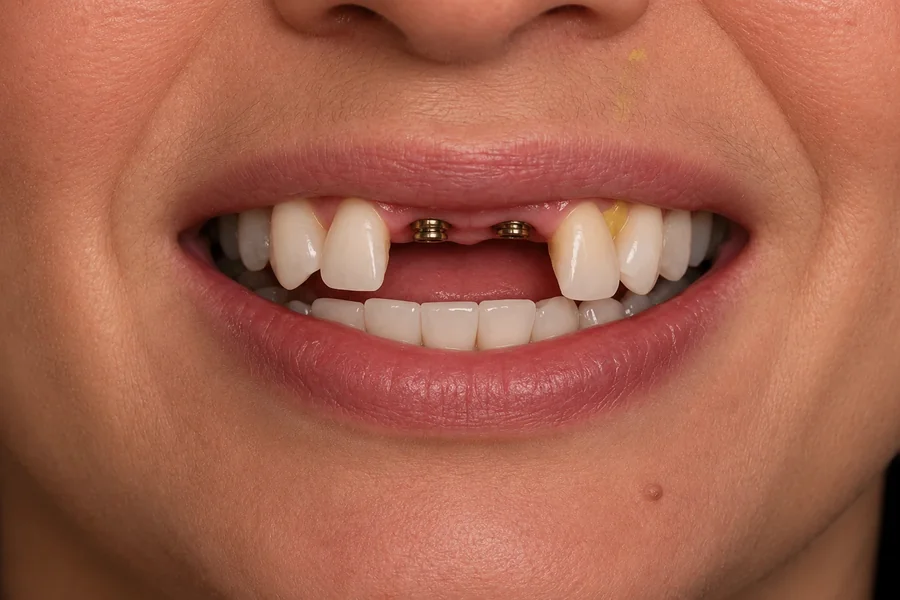
Losing a tooth can be an unsettling experience, but it does not mean you have to live with a permanent gap in your smile. Whether you are missing one tooth or several, modern dentistry offers multiple ways to restore your appearance and oral function. Understanding how these options differ can help you have a more informed conversation with your dental professional and choose an approach suited to your needs.
Why Replacing Missing Teeth Matters
A missing tooth can affect much more than the appearance of your smile. Teeth work together to support chewing, speaking, and maintaining a balanced bite. When one tooth is lost, the surrounding teeth may gradually move into the open space, potentially changing the way your upper and lower teeth come together.
Missing teeth can also affect the bone beneath the gums. Natural tooth roots stimulate the jawbone, helping maintain its structure. When a tooth is removed, that stimulation is lost, and the surrounding bone may gradually shrink. The longer a gap remains untreated, the more changes may occur in the surrounding area.
Replacing a missing tooth can therefore be about more than cosmetics. Depending on your circumstances, treatment may help restore chewing ability, support proper alignment, and improve your confidence when smiling or speaking.
Replacing a Single Missing Tooth
When only one tooth is missing, several treatment options may be available. The best choice depends on the condition of the surrounding teeth, your gum and bone health, your preferences, and your long-term oral health goals.
Dental Implants
A dental implant is designed to replace the root of a missing tooth. A small implant is placed into the jawbone and, after the area heals, supports a dental crown that replaces the visible portion of the tooth.
One advantage of an implant-supported crown is that it does not require the neighboring teeth to be reshaped for support. Because the implant is anchored in the jawbone, it can also provide a stable foundation for the replacement tooth.
However, not everyone is immediately eligible for implant treatment. Adequate bone volume, healthy gums, and overall oral health are important considerations. A dental evaluation can determine whether an implant is appropriate and whether additional procedures may be needed before treatment.
Dental Bridges
A dental bridge can replace a missing tooth by using neighboring teeth as support. The replacement tooth, known as a pontic, is positioned in the gap and attached to supporting crowns or other components.
Bridges can provide a fixed replacement without requiring a removable appliance. They may also be appropriate when the neighboring teeth already need crowns or significant restoration.
Because a traditional bridge relies on adjacent teeth, your dentist will need to evaluate their strength and condition. Good oral hygiene around and beneath the bridge is also essential for maintaining the supporting teeth and gums.
Removable Partial Dentures
A removable partial denture can replace one or several missing teeth. It typically consists of artificial teeth attached to a removable base that fits around the remaining natural teeth.
This option can be useful when multiple teeth need replacement or when other treatments are not suitable. Because the appliance can be removed, cleaning it and maintaining the surrounding teeth is generally straightforward when proper care instructions are followed.
A dental professional can assess your bite and remaining teeth to determine whether a partial denture would provide an appropriate fit and level of function.
Options When Multiple Teeth Are Missing
Replacing several missing teeth requires a broader assessment of your oral health. The location and number of missing teeth, the condition of the remaining teeth, and the health of your gums and jawbone can all influence the recommended treatment.
Implant-Supported Bridges
When several adjacent teeth are missing, multiple implants may be used to support a bridge. Instead of placing an individual implant for every missing tooth, strategically positioned implants can support a restoration containing several replacement teeth.
This approach can provide a fixed solution while reducing the number of implants needed compared with replacing every tooth individually. It may be especially useful when several missing teeth are located in the same area.
Your dentist will evaluate the available bone and the position of important anatomical structures before determining whether this approach is suitable.
Multiple Individual Implants
Another approach is to replace missing teeth individually with implant-supported crowns. This can provide separate restorations that closely resemble the structure of individual natural teeth.
Individual implants may offer flexibility because each replacement tooth can be designed and maintained separately. However, replacing numerous teeth this way can require more implants, procedures, treatment time, and financial investment.
The right approach is not necessarily the one involving the most implants. Your dental professional can help determine which solution provides an appropriate balance of stability, function, appearance, and long-term maintenance.
Partial Dentures
For people missing several teeth but retaining healthy natural teeth, a partial denture may offer a practical replacement option. Depending on its design, it can restore several areas of the smile without requiring an implant for every missing tooth.
A removable partial denture can also be adjusted or modified in certain situations as oral health needs change. Proper cleaning and regular dental appointments remain important because the remaining natural teeth continue to provide essential support.
When Most or All Teeth Are Missing
A different treatment strategy may be appropriate when a person has lost most or all of the teeth in one dental arch. Rather than replacing every missing tooth individually, dentists may use a smaller number of strategically placed implants to support a full-arch restoration.
A full-arch restoration is designed to replace an entire upper or lower row of teeth. Depending on the treatment plan, it may provide a fixed or removable solution and can restore a broad range of everyday functions.
Full-Arch Implant Solutions
Full-arch implant treatment can be considered when extensive tooth loss makes traditional individual restorations impractical. In some cases, several implants are strategically placed to support a complete arch of replacement teeth.
For individuals considering this type of treatment, a full-arch implant in Blue Springs may be an option worth discussing with a qualified dental professional. Treatment suitability depends on factors such as bone health, gum condition, medical history, and the overall condition of the mouth.
A comprehensive examination is essential. Dental imaging and other diagnostic procedures may be used to evaluate the jawbone and determine where implants can be safely and effectively positioned.
How to Choose the Right Tooth Replacement Option
There is no single solution that works for everyone. Choosing between an implant, bridge, partial denture, or full-arch restoration involves considering both your current oral health and your long-term goals.
Consider the Number and Location of Missing Teeth
The number of missing teeth is one of the first factors to consider. Replacing a single tooth is generally approached differently from replacing several adjacent teeth or an entire dental arch.
The location of the gap also matters. Missing front teeth may place greater emphasis on appearance and speech, while missing back teeth can have a greater effect on chewing. Your dentist can evaluate how the missing teeth affect your bite and recommend an appropriate treatment strategy.
Evaluate Your Remaining Teeth and Gums
The health of your remaining teeth is another important consideration. Strong, healthy teeth may provide support for a bridge or partial denture, while compromised teeth may require treatment before they can be used as part of a restoration.
Healthy gums are also important. Active gum disease can affect the tissues supporting natural teeth and dental implants. Addressing underlying oral health problems before replacement treatment can improve the foundation for a long-term restoration.
Think About Long-Term Maintenance
Different tooth replacement options have different care requirements. Dental implants, bridges, and dentures all require consistent cleaning and regular professional evaluations.
Even when a replacement tooth cannot develop a cavity in the same way as a natural tooth, the surrounding gums and remaining natural teeth still need protection. Good oral hygiene can help preserve the health of your mouth and the longevity of your restoration.
What to Expect During the Evaluation Process
Before recommending a treatment, a dental professional will generally examine your teeth, gums, bite, and jaw. Your dental history and goals will also help shape the treatment plan.
Imaging may be used to assess bone levels and identify structures that could affect treatment. If an implant is being considered, your dentist will determine whether sufficient bone is available and whether the gums are healthy enough for the procedure.
You may also discuss factors such as appearance, chewing needs, treatment time, maintenance, and budget. Having a clear understanding of the advantages and limitations of each option can make it easier to make a decision that fits your circumstances.
Protecting Your Investment After Tooth Replacement
Replacing missing teeth is only part of maintaining a healthy smile. Once treatment is complete, protecting the restoration and the surrounding tissues becomes an ongoing responsibility.
Brush consistently, clean between your teeth, and follow any specific care instructions provided by your dental professional. If you wear a removable denture or partial denture, clean it according to the recommended routine and avoid using harsh products that could damage its materials.
Regular dental visits are equally important. Professional examinations can help identify changes in your gums, remaining teeth, bite, or restoration before they develop into more significant problems.
Lifestyle habits matter as well. Avoiding tobacco, limiting excessive sugar intake, protecting your teeth from injury, and addressing problems such as teeth grinding can contribute to better long-term oral health.
Conclusion
Whether you are missing one tooth, several teeth, or an entire dental arch, you have options for restoring your smile and oral function. Dental implants, bridges, partial dentures, and full-arch restorations each have potential benefits and limitations. The right choice depends on your oral health, goals, bone and gum condition, and long-term needs. A thorough dental evaluation can help you move forward with confidence.