
How do Fire Barrier Installations for Lithium Battery Storage Rooms work?
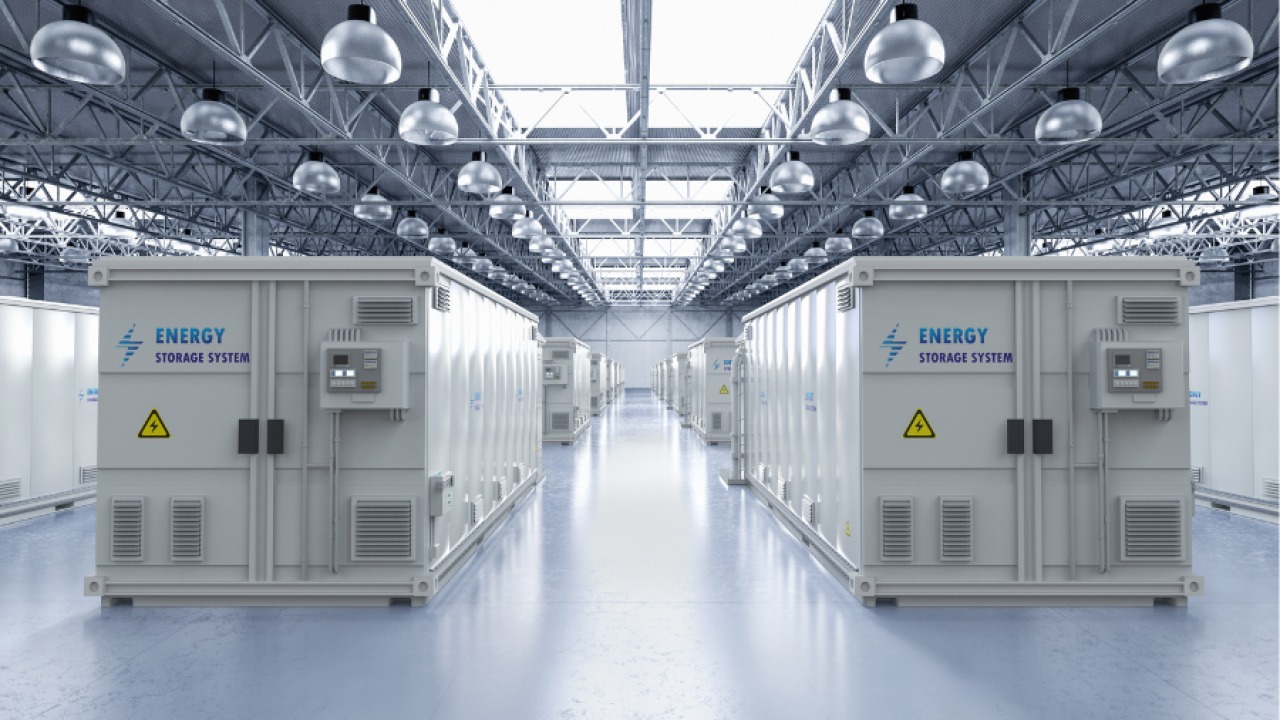
Lithium battery storage rooms support critical power needs, but they also present unique fire dynamics that differ from those in ordinary electrical rooms. If a battery cell fails and enters thermal runaway, heat release can be intense, and smoke can contain irritating and corrosive byproducts. The goal of a fire barrier system is not only to resist flames but also to slow heat transfer, contain smoke migration, and protect adjacent spaces long enough for suppression and emergency response to take effect. In many facilities, batteries are located near switchgear, UPS equipment, or energy management controls, so a fire can create cascading risks if the room is not properly separated. Fire barrier installations help compartmentalize that risk. They make a boundary that buys time, reduces flame spread, and limits the chance that a localized incident becomes a building-wide event. A good design also accounts for how people exit the room, how firefighters access it, and how the facility restores operations afterward. Fire separation becomes part of overall resilience planning, not only a compliance checkbox.
Where barriers fit in the protection plan
- Understanding ratings, assemblies, and what barriers actually do
Fire barriers are only as effective as the tested assembly they are built to match. A barrier is not simply a sheet of resistant material; it is a system that includes framing, fasteners, joints, sealants, and penetrations, all treated to maintain the rating. Ratings are typically expressed as a time period, such as one or two hours, which reflects how long the assembly can resist fire exposure under standardized test conditions. In battery storage rooms, time matters because thermal runaway can continue producing heat even after visible flames are reduced, and cooling can be complicated. Barriers help by delaying heat transfer to nearby structural members and by restricting smoke and flame paths. Doors, dampers, and glazing must also be rated and installed correctly to prevent weak links. Another key concept is continuity. Even high-rated wallboard loses value if cable penetrations are unsealed, if joints are not treated, or if ceiling transitions allow smoke to bypass the barrier. In battery rooms, penetrations are common because of conduits, communication lines, and ventilation equipment, so barrier design must include detailed plans for how each opening will maintain the intended performance.
- Materials, penetrations, and the hardest details to get right
Choosing materials for a battery room fire barrier involves balancing heat resistance, durability, and construction practicality. Common solutions include rated gypsum assemblies with mineral wool, fire-resistive boards, cementitious panels, or proprietary barrier systems designed for high-temperature exposure. The challenge is that lithium battery incidents can create prolonged heat and pressure pulses that stress joints and fasteners. That is why installers pay close attention to seams, corners, and transitions where movement can occur. Penetrations are often the highest-risk points. Conduit bundles, cable trays, and piping must be sealed with approved firestop systems that match the barrier rating and the opening type. Ventilation penetrations require dampers or rated duct assemblies, and these must be coordinated with HVAC teams to avoid conflicts between airflow requirements and fire-resistance requirements. Even small details, such as back-to-back outlets or poorly supported firestops, can become failure paths. Some facilities also use supplemental protective barriers around adjacent equipment, such as transformer separation walls, and a reference link like https://firebarrierexperts.com/transformer-barriers-ii/ can be part of the research and specification process when teams compare barrier approaches across different high-risk electrical assets.
- Installation sequencing and quality control on real job sites
The success of fire barriers depends heavily on how the work is sequenced and inspected. Battery rooms often involve multiple trades working in tight spaces, and barriers are frequently penetrated after the initial wall construction. If penetrations are added late without a clear firestop plan, the barrier quickly becomes Swiss cheese, and patching becomes inconsistent. A disciplined approach sets rules early: penetrations must be logged, firestop materials must be approved for the specific assembly, and installers must document each treated opening. Coordination between electrical, mechanical, and fire protection teams is crucial because ventilation, conduit routing, and sensor placement all compete for wall and ceiling space. Door installation is another quality focus. A rated door that is poorly aligned, missing seals, or leaving gaps in the hardware can undermine the entire room separation. Field verification often includes visual inspections, photo documentation, and checks against tested assembly details. Some projects include third-party inspections for firestopping because small voids behind cable trays or above ceiling lines can be easy to miss. In battery rooms, consistency matters more than speed, because a small overlooked gap can become a major smoke path during an incident.
Keeping battery room barriers reliable under stress
Fire barrier installations for lithium battery storage rooms are designed to slow the spread of heat, contain smoke, and protect adjacent spaces during high-intensity events. The effectiveness comes from the tested assembly as a whole, including walls, ceilings, doors, penetrations, and firestopping details that preserve continuity. Material selection must account for prolonged heat exposure, and installation quality must focus on seams, corners, and the many openings created by conduits and ventilation systems. Successful projects rely on strong coordination between trades, disciplined sequencing, and inspection practices that document every penetration and repair. Ventilation and pressure needs add complexity, making tight sealing and rated dampers essential to prevent smoke pathways. Long-term reliability depends on maintenance procedures that protect the barrier’s integrity during upgrades and repairs. When the barrier is treated as a core safety system, it provides the time and separation needed for emergency response and suppression to work more effectively, reducing the chance that a battery incident escalates into a broader facility emergency.