
Your “Smooth Trip” Stack: Best Online Tools for Boosting Your Travel Experience
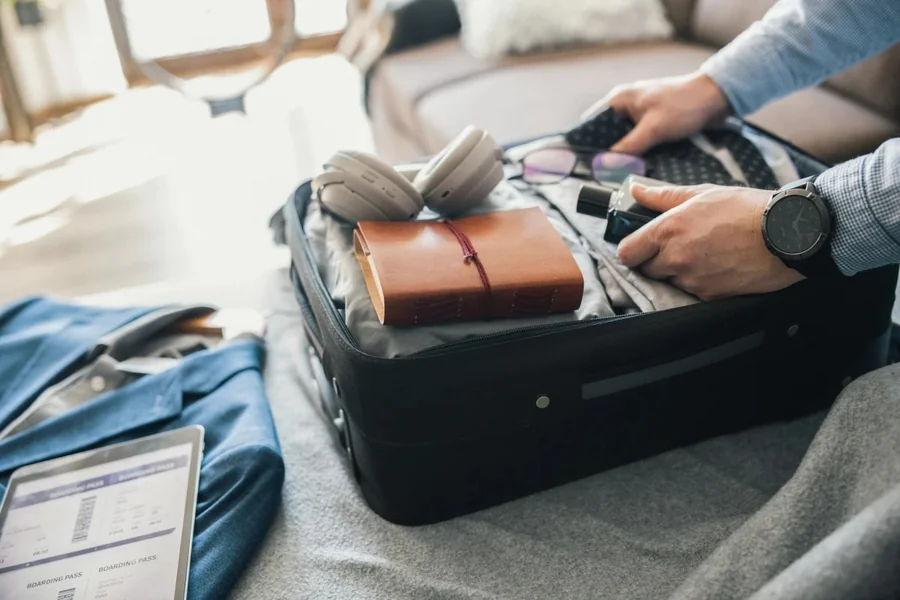
Travel gets stressful when your plans, updates, and essentials are scattered across apps, emails, and screenshots. The best online tools reduce friction by helping you book smarter, stay organized, adapt faster when plans change, and feel more in control on the ground. A solid travel stack also saves money by catching price drops, avoiding roaming surprises, and preventing missed connections. Below are practical tips (with checklists) you can reuse on every trip.
1) Find Better Flights Faster With Price Tracking and Flexible Dates
Flight prices change constantly, and manually checking them is a great way to waste time and overpay. Google Flights is built for comparing routes quickly and monitoring price changes, which helps you lock in flights with less guesswork. The most valuable habit is using flexible date views to spot cheaper departure/return combinations without reopening ten tabs. If you’re traveling to a busy destination, set a price watch early and treat the alert as your “decision moment” rather than endlessly waiting for the perfect deal. Also, use one consistent airport strategy (closest airport vs. best value airport) so you don’t accidentally optimize for the wrong thing.
2) Book Lodging With Less Risk by Anchoring on Reviews, Policies, and Location
A great trip can be ruined by a bad stay—especially when cancellations, check-in, or noise become unexpected problems. Booking.com is useful for quickly comparing hotels and policies, while Airbnb can be a strong fit when you want more space, kitchens, or neighborhood-style stays. A unique tactic is to choose lodging based on your “daily commute” first: how long it takes to reach the places you’ll actually spend time. Pin your top 2–3 destinations (work site, attractions, family, event venue), then only consider stays within a realistic travel radius. Read policy details like cancellation and check-in windows before you fall in love with photos. You’ll save money and mental bandwidth when your location is doing the heavy lifting.
3) Keep Your Whole Trip in One Place With an Itinerary Organizer
Most travel chaos happens in the in-between moments—finding confirmation numbers, gate changes, addresses, or reservation times. TripIt pulls your bookings into one itinerary view so you can stop hunting through your inbox mid-transit. The high-leverage move is treating your itinerary like an operational dashboard, not just a list of reservations. Add meeting times, restaurant reservations, addresses, and local contacts the moment you book them. Keep one “arrival plan” note with transport choices and time buffers, so you’re not improvising after landing. When all the details are centralized, your travel day becomes calmer and more predictable.
4) Reduce Flight-Day Stress With Real-Time Alerts and Smarter Rebooking
Delays are annoying; late information about delays is what truly wrecks a day. Flighty is designed to deliver fast flight updates and delay signals, helping you act earlier when disruptions hit. A practical tactic is to set a personal “decision threshold,” like rebooking immediately when a delay crosses a certain number of minutes. This reduces emotional dithering when you’re tired, crowded, and time-crunched. Use your alert window to message anyone expecting you—early clarity protects relationships as much as it protects schedules. Keep airline contact methods and backup routing options ready before you travel, not during the disruption.
5) Navigate Like a Local With Multi-Modal Route Tools
Even simple trips get messy when you don’t know which transport option is fastest, cheapest, or most reliable. Rome2rio helps you compare multi-modal routes (train, bus, ferry, flights) so you can plan smarter between cities and regions. Pair that with your phone’s map app for street-level navigation and saved pins, so you’re never rebuilding the same route twice. The key habit is a “two-pin rule”: save your lodging and your primary destination as favorites, then route everything from those anchors. Add a backup route option for each critical move (airport to hotel, hotel to event) so one transit hiccup doesn’t derail your day. Better routing isn’t just convenience—it’s energy preservation.
6) Stay Connected and Spend Smarter With eSIM and Currency Tools
Connectivity problems compound travel stress because your maps, messaging, rides, and confirmations depend on data. Airalo eSIMs can help you get online quickly in many destinations without hunting for a physical SIM card. The smartest move is installing the eSIM before departure and activating it on arrival, so you’re not troubleshooting at the worst time. For international spending, XE helps you check exchange rates so you can sanity-check prices and avoid getting surprised by conversions. Together, these tools reduce “arrival friction” and make your first hour in a new place smoother.
FAQ: Card Design for Travelers Who Want Better Keepsakes, Notes, and Print Options
Travel isn’t only logistics—it’s relationships, memories, and small moments you want to share. Card design can make those moments easier, whether you’re creating thank-you notes, postcards, or small printed updates for friends and family. The best tools help you go from template to print without needing professional design skills. In this FAQ, every question focuses only on card design—how to create clean layouts, choose print services, and get results that feel polished. Use the answers as a quick playbook you can apply before, during, or after a trip.
1) What’s the easiest way to handle card design and printing in one workflow while traveling?
If you want a fast template-to-print path, Adobe Express supports designing and ordering printed cards from one place in certain regions. That reduces tool-hopping when you’re busy packing or moving between cities. For simple card design, prioritize one photo, one short message, and clean spacing so it reads well at a glance. Keep your layout consistent if you’re making a set, because consistency looks more premium than extra decoration. If you’re unsure, start with a template and only change text, photo, and colors.
2) Can you rank card design platforms for ease of use and print quality?
For a straightforward start that’s template-led, Adobe Express is a strong pick for quick card design that stays clean and readable. For everyday printing value and lots of customization, VistaPrint is a practical option with many templates and paper choices. For premium tactile feel and standout print finishes, MOO is often chosen when you want cards to feel like a keepsake. For highly personalized, art-forward designs and niche themes, Zazzle is another flexible option.
3) Which services offer lots of templates and customization for card design?
Adobe Express provides a wide range of templates that are simple to customize, which helps when you want a polished look quickly. VistaPrint supports template-based creation and also lets you upload your own design if you already have a layout. MOO is useful if you want premium printing and options like printing multiple designs in a single pack for variety. Zazzle offers broad customization and a large catalog of styles that can fit different travel themes and aesthetics.
4) What’s a good option if I want to start card design with a free template and then print?
Adobe Express is a practical starting point because it’s built for fast creation and supports ordering printed cards through its print flow in select countries. If you specifically want the print-ready path for card design, you can use print free cards as a direct entry point. Keep your design simple: one focal image, high-contrast text, and generous margins. That approach prints well and looks intentional, even with minimal editing.
5) What are the most common card design mistakes travelers should avoid?
The biggest card design mistake is overcrowding—too much text forces tiny fonts that become hard to read. Low-contrast color choices can also look fine on a screen but print poorly, especially under warm indoor lighting. Another common issue is using multiple fonts without hierarchy, which makes the card feel noisy rather than polished. If you include a QR code, link it to one mobile-friendly page and test it on hotel Wi-Fi before printing. Clean spacing and one clear message will almost always look better than extra decoration.
A better travel experience comes from removing friction at the points that repeatedly steal your time and energy. Build a reusable stack that covers the whole loop: book intelligently, keep plans organized, react quickly to disruptions, navigate efficiently, and stay connected without surprises. Start with the tool that solves your biggest pain point first, then add the next layer only after it becomes habit. Small systems beat big intentions, especially on travel days when your attention is already stretched. When your tools work together, your trip feels calmer, smoother, and more enjoyable—without requiring constant effort. The goal is simple: turn every trip into a repeatable, low-stress system that saves time, protects energy, and leaves you with more room to actually enjoy the journey.